Sustainability Through Product Strategy
Role: Product Strategy + Design & Fit
Brand: Koy Resort
Overview
Koy Resort wanted to take steps toward more responsible product practices, but with a highly price-sensitive customer, traditional sustainability solutions weren’t realistic for the brand. At the same time, there was a clear intention to avoid greenwashing or making claims that they couldn’t genuinely stand behind.
Instead of treating sustainability as a materials problem, I proposed approaching it as a product life-cycle problem. By extending how long and how often a garment is worn, I identified a more achievable and honest way to reduce impact—one that aligned with both the customer and the business.
Here’s how this approach translated into product decisions.
The Challenge
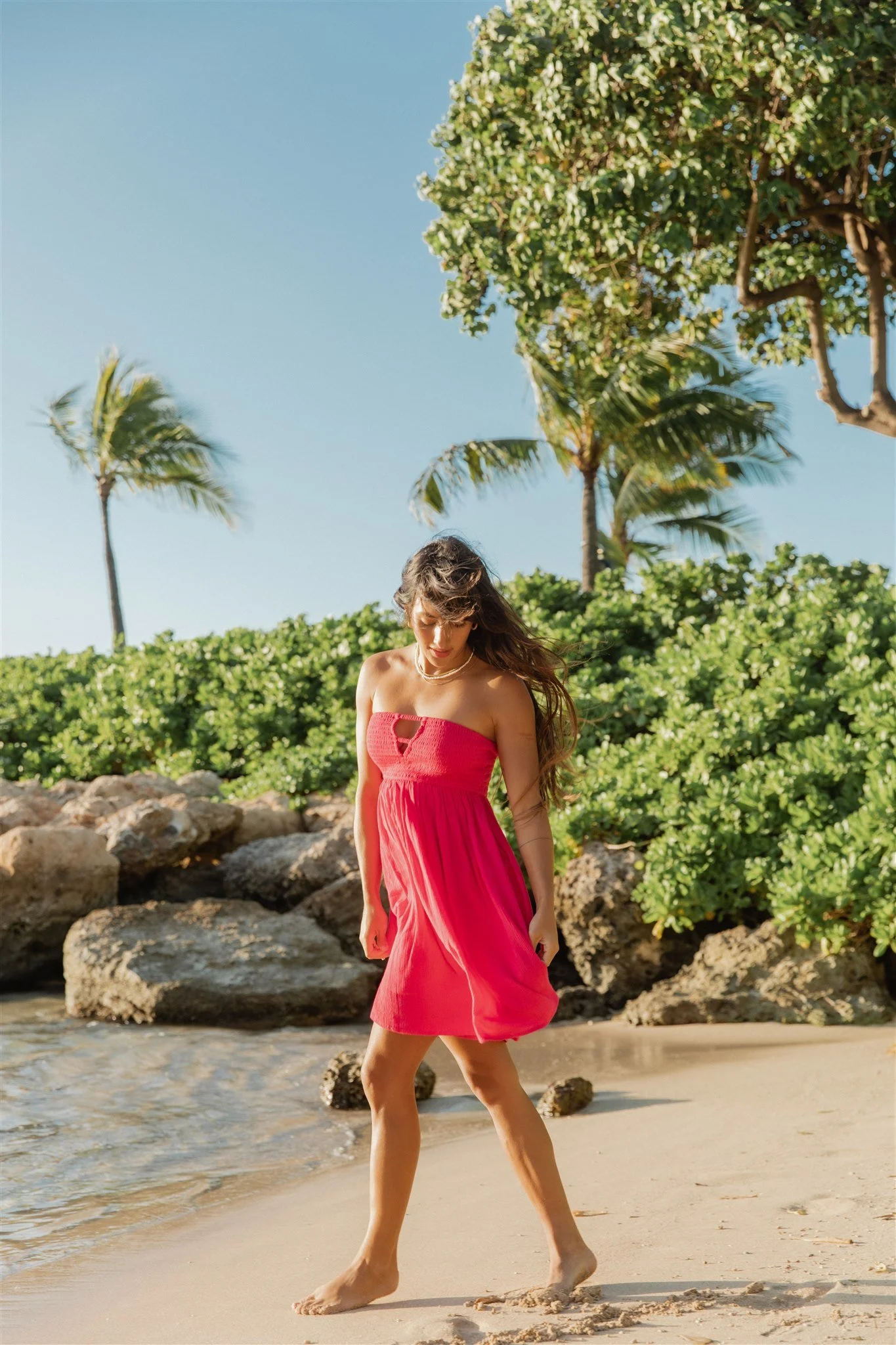
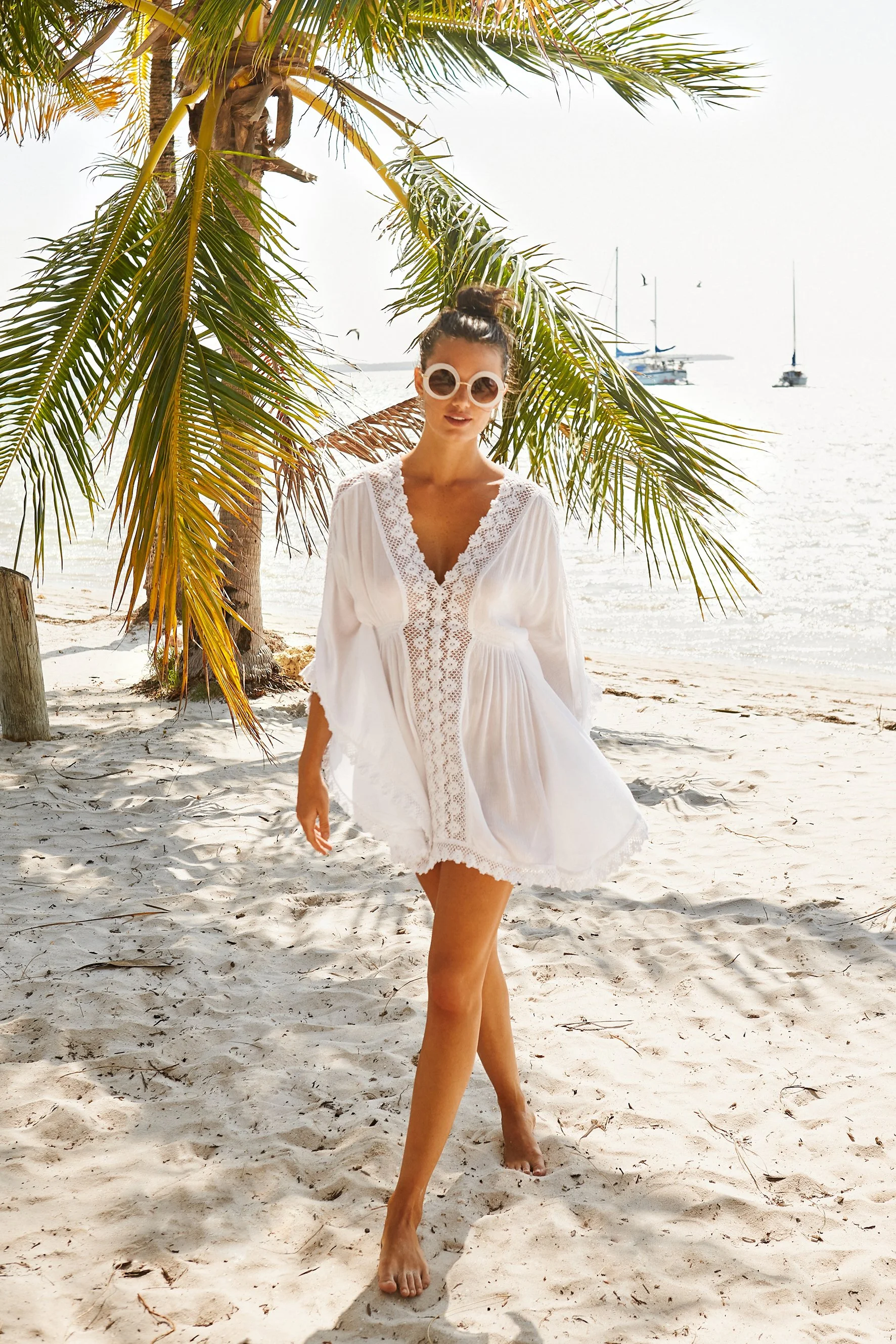
The brand was established around cover-ups and vacation wear—pieces typically purchased for a single trip and worn only a few times. The core customer’s comfort price point sat around $100 USD per piece, and previous attempts to introduce higher price points hadn’t been successful. Changing materials or significantly increasing costs wasn’t an option.
The challenge became clear: how could we move the brand away from single-use garments and extend product life without raising prices or losing accessibility?


What I Did
I led a shift in product strategy toward multi-wear, beach-to-street pieces, with the goal of extending the usable life of each garment and increasing its relevance beyond vacation.
I focused on improvements that directly impact how long a customer keeps and wears a product:
Improving fit and grading so styles felt intentional and wearable off the beach
Adding functional details such as pockets, linings, and adjustable straps—features that matter in everyday life, not just on vacation
Prioritizing durable, comfortable, easy-care fabrics, even when the retail price remained the same
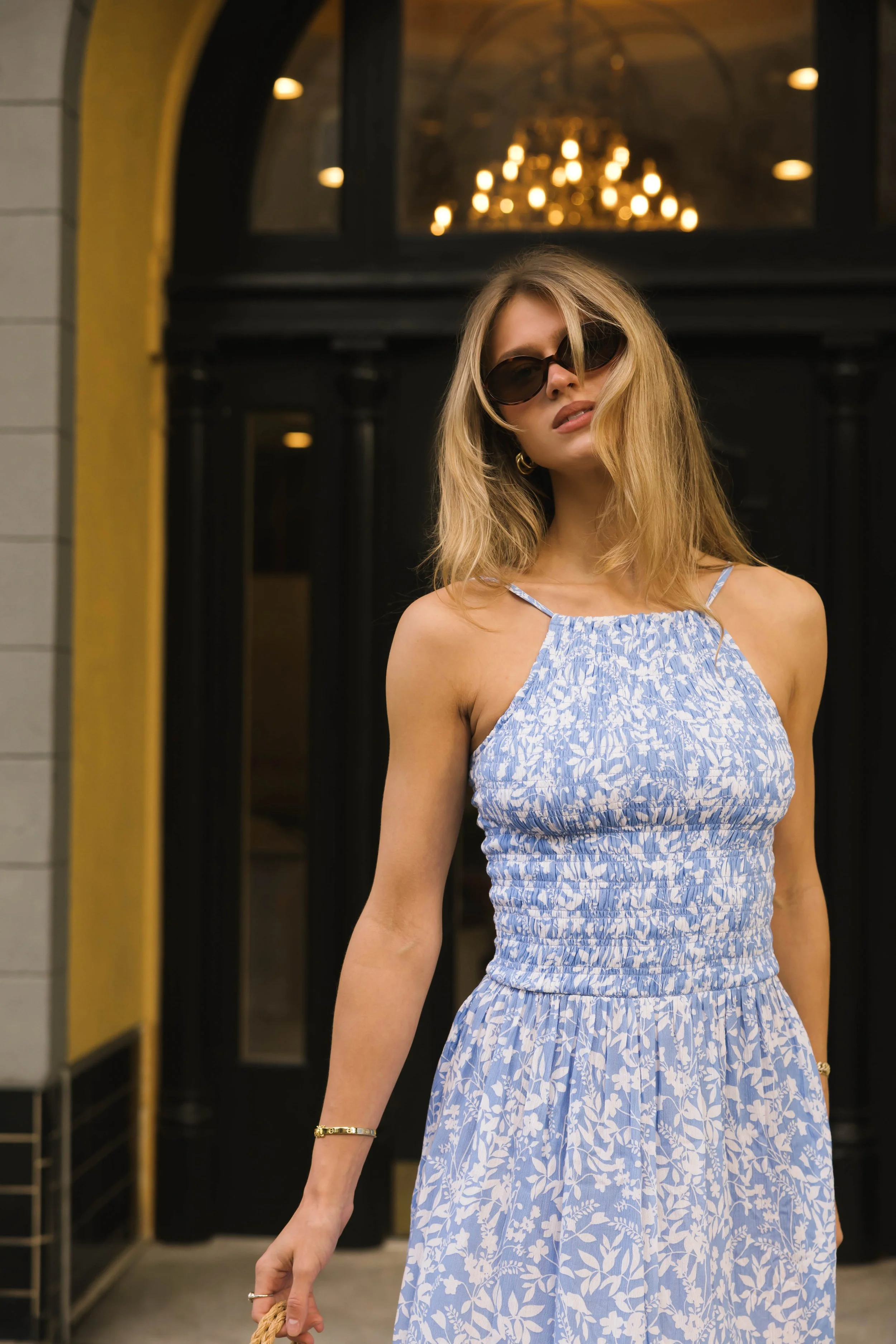
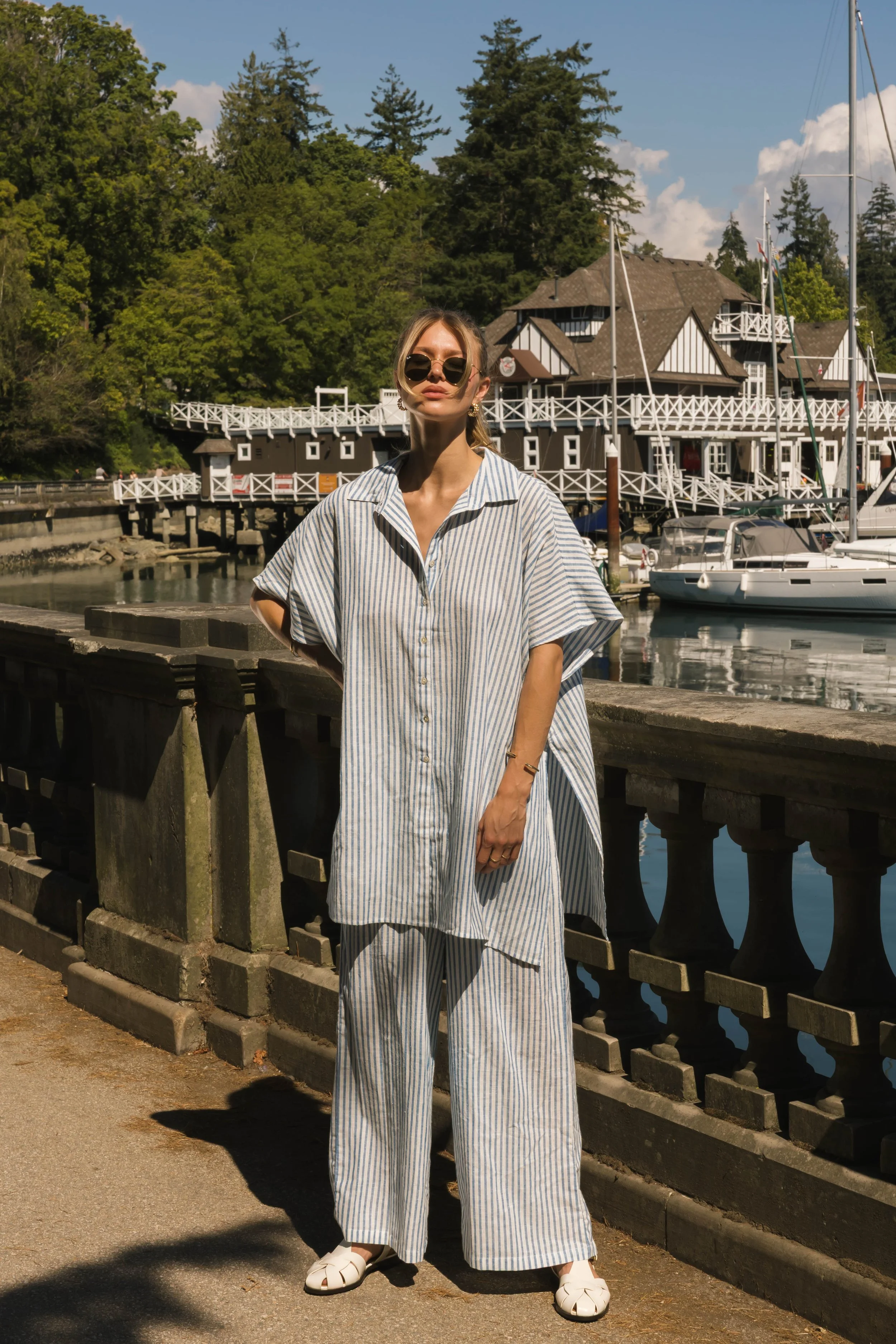
To support this shift, I also evolved how the product was positioned and presented—moving photoshoots beyond beach settings and into more street-based environments, and elevating styling to reflect everyday wear.
The goal was to design garments customers would continue reaching for, rather than treating them as one-wear vacation pieces.



The Result
Extended product life cycles through improved fit, function, and versatility
Reduced reliance on single-use vacation garments
Increased perceived value without increasing retail price
Expanded into new markets, including women's wear boutiques beyond beachwear and hotel stores
Created a sustainability narrative the brand could genuinely stand behind—rooted in product decisions, not promises
This approach allowed the brand to move toward more responsible product practices without compromising business goals, pricing, or customer trust.
Designed for travel, made to last, and meant to live well beyond the vacation.
